
Thanks to medical advancements, cancer survival rates are higher today than ever before. However, life-saving treatments can sometimes affect the heart and blood vessels. This is where Cardio-Oncology comes in- a field dedicated to keeping your heart strong throughout your journey: before, during, and years after cancer treatment.
Certain treatments (such as chemotherapy, chest radiation, or biological therapies) can cause "cardiotoxicity." Our goal is not to stop your cancer treatment, but to manage it intelligently in a way that protects your heart.
Who Is at Risk?
Understanding potential effects allows us to monitor them in real-time:

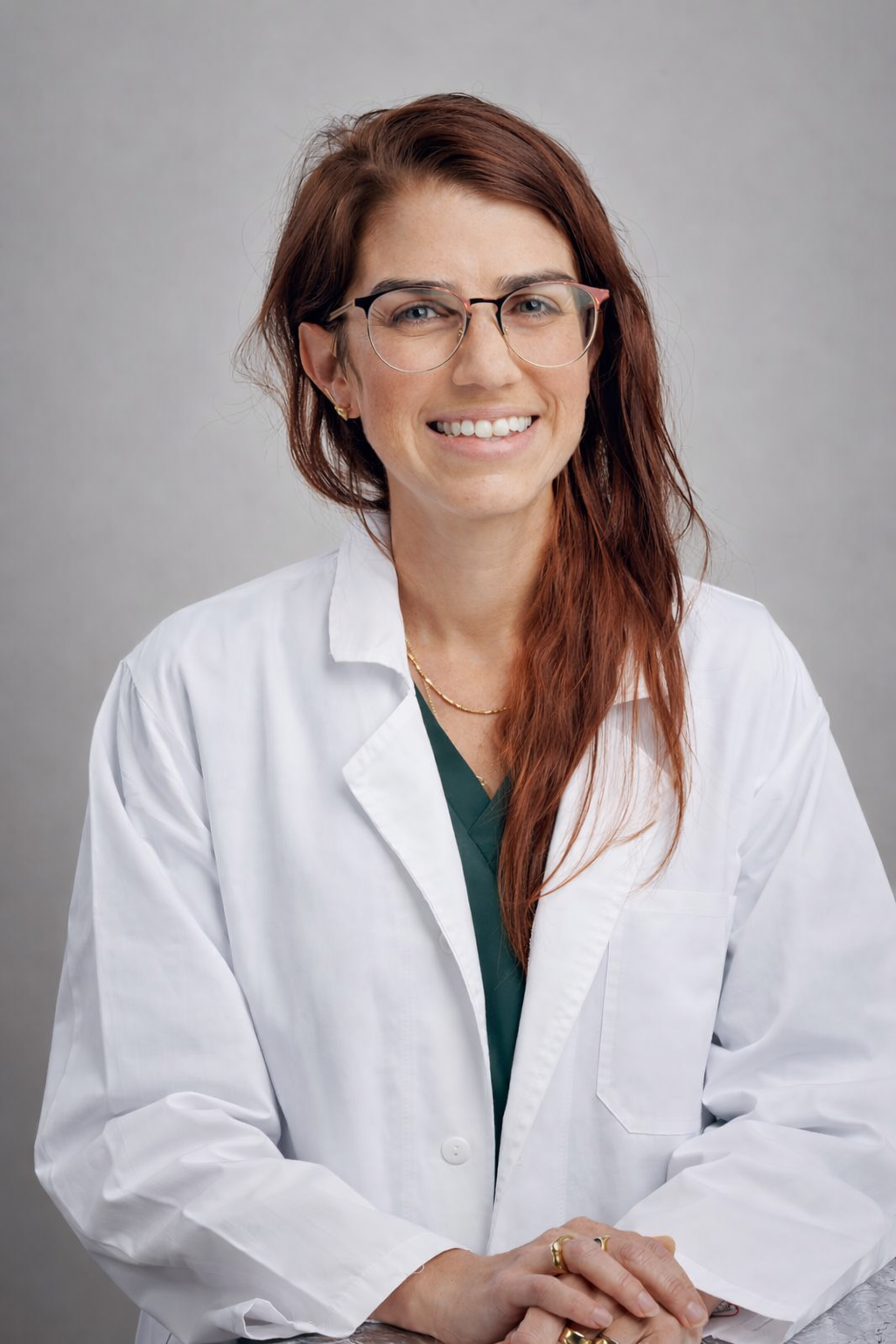
Dr. Inbar Nardi Agmon is a senior cardiologist at Sheba Medical Center and leads the cardio-oncology service at the hospital.

Cardio-oncological care is personalized for each patient and involves full collaboration between your oncologist and cardiologist:
Beyond medical supervision, you have a lot of power in your own hands:
A condition in which the heart has difficult pumping blood efficiently. With proper medical follow-up and treatment, heart function can be improved and patients can continue maintaining an active daily routine.
Diseases that affect the heart valves, which are responsible for maintaining normal blood flow within the heart. In many cases, these conditions can be successfully diagnosed and treated with the help of advanced medical care.
Physical activity is important for heart health at every age. This field helps tailor safe and appropriate exercise for each individual — from athletes to beginners.
A medically supervised program that helps patients gradually and safely return to their daily routine after a cardiac event. It combines physical activity, guidance, and professional support.