
Heart Valve Disease

How Do the Heart and Heart Valves Work?

How does the heart and its valves work?

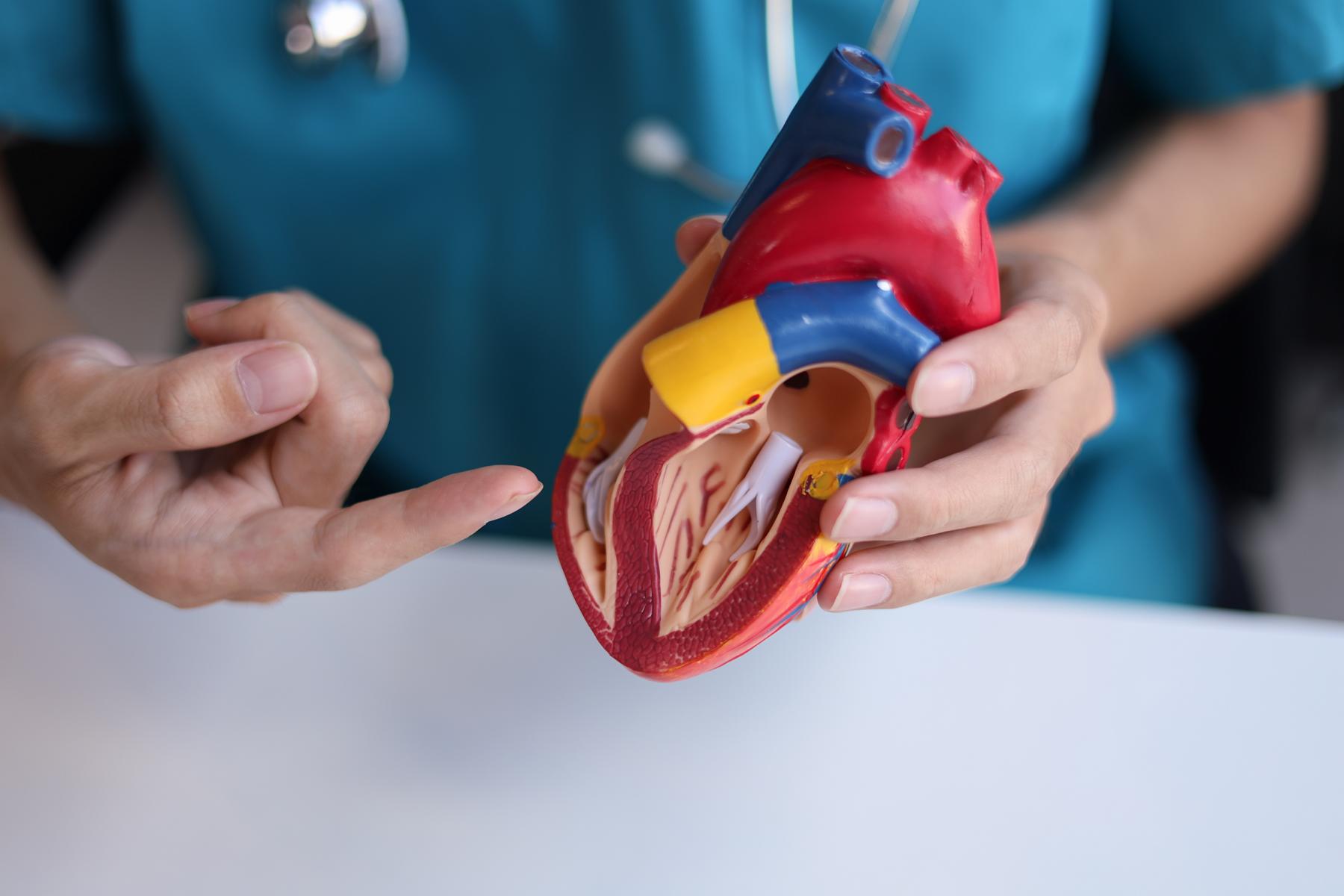
The heart is a pump that moves blood throughout the body. It has four chambers: two upper chambers (atria) and two lower chambers (ventricles).

Between these chambers-and at the exits of the heart-there are four valves. These valves act like small “doors” that open and close with each heartbeat, making sure blood flows in the right direction and does not leak backward.

The four valves are:

  • Mitral valve – between the left atrium and left ventricle.
  • Tricuspid valve – between the right atrium and right ventricle.
  • Aortic valve – between the left ventricle and the aorta (the main artery that carries blood to the body).
  • Pulmonary valve – between the right ventricle and the pulmonary artery (which carries blood to the lungs).

When a valve does not open properly or does not close completely, blood flow is affected-this is called valve disease.

What problems can occur with a heart valve?

In most cases, valve disease appears in one of two main forms:

  • Stenosis (narrowing)– The valve becomes stiff or narrow and does not open fully. This makes it harder for blood to pass through, so the heart has to work harder.
  • Regurgitation (leakage)– The valve does not close properly. As a result, some blood flows backward instead of moving forward, and the heart must compensate.

Sometimes, both problems can occur in the same valve.

A simple way to think about it:

  • Either the “door” does not open enough (stenosis).
  • Or it does not close well (regurgitation).

What are the symptoms of valve disease?

Not all valve problems cause symptoms-especially in early or mild stages.

As the condition progresses, symptoms may include:

  • Shortness of breath (especially with activity, sometimes even at rest or when lying down).
  • Reduced ability to exercise or perform daily activities.
  • Fatigue or low energy.
  • Chest pain or pressure.
  • Irregular heartbeat or a feeling of “palpitations”.
  • Dizziness or fainting.
  • Rapid weight gain (often due to fluid buildup).
  • Swelling in the ankles, legs, abdomen, or around the eyes.

Important: These symptoms are not specific to valve disease and can occur in other conditions as well. A medical evaluation is needed to determine the cause.

What causes heart valve disease?

Common causes include:

  • Aging – Calcium can build up on the valves over time, making them thicker and stiffer
  • Rheumatic heart disease – Can develop after untreated strep throat (often in childhood) and cause valve damage
  • Infection of the valve (endocarditis) – Occurs when bacteria in the bloodstream attach to a valve
  • Congenital valve abnormalities – Some people are born with valves that are shaped differently
  • Autoimmune diseases (such as lupus)
  • Genetic connective tissue disorders

Content Author

Dr. Ido Cohen

Dr. Ido Cohen, MD, graduated summa cum laude from the Faculty of Medicine at Tel Aviv University. He is a specialist in internal medicine and currently a cardiology fellow at Sheba Medical Center.

How is valve disease diagnosed?

Diagnosis starts with a medical history and physical exam. Sometimes, a doctor can hear a heart murmur (an abnormal sound) that suggests valve disease.

The main test is an echocardiogram (heart ultrasound). This is a painless test where a probe is placed on the chest with a bit of gel. Sound waves create real-time images of the heart, allowing us to see how the valves open and close and how well the heart is functioning.

Additional tests may include:

  • Transesophageal echocardiogram (TEE) – A more detailed ultrasound performed through the esophagus (usually with sedation).
  • Cardiac CT scan – Provides detailed images of the heart structure and calcium buildup, often used for planning procedures.
  • Cardiac catheterization – A minimally invasive procedure used to measure pressures in the heart and check the coronary arteries; sometimes treatment can be done during the same procedure.

These tests are routinely performed and are generally safe.

What about treatment?

Not every valve condition requires immediate treatment. If the disease is mild and there are no symptoms, regular follow-up and periodic echocardiograms are usually recommended.

When treatment is needed, options may include:

  • Medications– These do not fix the valve itself but can help relieve symptoms and support heart function (for example, medications to reduce fluid, control blood pressure, regulate heart rhythm, or prevent blood clots).
  • Catheter-based procedures- In selected cases, the valve can be repaired or replaced through a minimally invasive procedure via blood vessels-often allowing faster recovery.
  • Surgery– Some patients require open-heart surgery to repair or replace the valve.

The choice of treatment is individualized and depends on:

  • The type and severity of the valve problem.
  • Symptoms.
  • Other medical conditions.
  • Overall risk.
  • Patient preferences.

Many people live for years with valve disease under careful monitoring, and when treatment is needed, modern options are highly effective.

When should you seek medical evaluation?

You should seek medical attention if you experience:

  • Significant shortness of breath at rest or rapid worsening of breathing.
  • Chest pain or pressure that does not go away or keeps returning.
  • Fainting or severe dizziness.
  • New or worsening swelling, rapid weight gain over a few days, or general decline.

If symptoms are severe, persistent, or worsening quickly-seek urgent medical care.

When in doubt, it is always best to consult your primary care physician or cardiologist.


In summary

Heart valve disease is common and can progress at different rates-sometimes slowly over years, sometimes more quickly.

Early detection and regular follow-up are key.

You play an important role in maintaining your heart health:

  • Stay active (as appropriate for your condition).
  • Eat a healthy diet.
  • Avoid smoking.
  • Keep regular medical follow-up.

When treatment is needed, timing matters-intervening at the right stage helps preserve heart function and improve outcomes.

If you notice new symptoms or a change in how you feel, do not wait-seek medical advice.

With proper follow-up, healthy habits, and timely care, most people with valve disease can live full, active, and healthy lives.

Essential Information on a Variety of Topics

Atrial Fibrillation

One of the most common heart rhythm disorders, especially among older adults. With proper diagnosis and treatment, the condition can be managed effectively while maintaining a good quality of life.

Heart Failure

A condition in which the heart has difficult pumping blood efficiently. With proper medical follow-up and treatment, heart function can be improved and patients can continue maintaining an active daily routine.

Sports Cardiology

Physical activity is important for heart health at every age. This field helps tailor safe and appropriate exercise for each individual — from athletes to beginners.

Women’s Heart Health

Heart health in women has unique characteristics and may sometimes present with less typical symptoms. Awareness, early diagnosis, and a healthy lifestyle can help with prevention and support long-term heart health.