
Atrial fibrillation (AF) is a heart rhythm disorder caused by abnormal electrical activity in the upper chambers of the heart (the atria), resulting in an irregular and uneven heartbeat. People with AF experience an irregular heart rhythm.
AF is a common condition, but its impact varies greatly from person to person. Some individuals experience few or no symptoms, while for others, it can be significantly disabling.
Common symptoms associated with AF:
AF can lead to several serious health complications. For instance, blood clots may form and travel to the brain, causing a stroke, or affect other organs. Over time, AF can also lead to heart failure, which results in breathlessness because the heart is unable to pump enough blood to meet the body’s needs. Additionally, AF is linked to an increased risk of death, hospital admissions for various reasons, and certain forms of dementia.
It is important to remember that with proper treatment, many people with AF can live a normal life and continue enjoying a wide range of activities. However, since AF is a long-term condition, some lifestyle adjustments may be necessary. This may involve both physical and mental adaptation to living with a chronic illness.
Emotional responses such as sadness, anxiety, restlessness, or depression may arise weeks or even months after diagnosis. These reactions are common, and it is important to communicate openly about your feelings. Adjustments to your home or work environment may also be needed.
Discussing concerns and questions with your family and healthcare team can be very helpful.
Adopting a healthier lifestyle is an effective way to manage AF. These changes can reduce the likelihood of AF returning, improve treatment outcomes, and support long-term health. For example, you can:
Initial evaluation
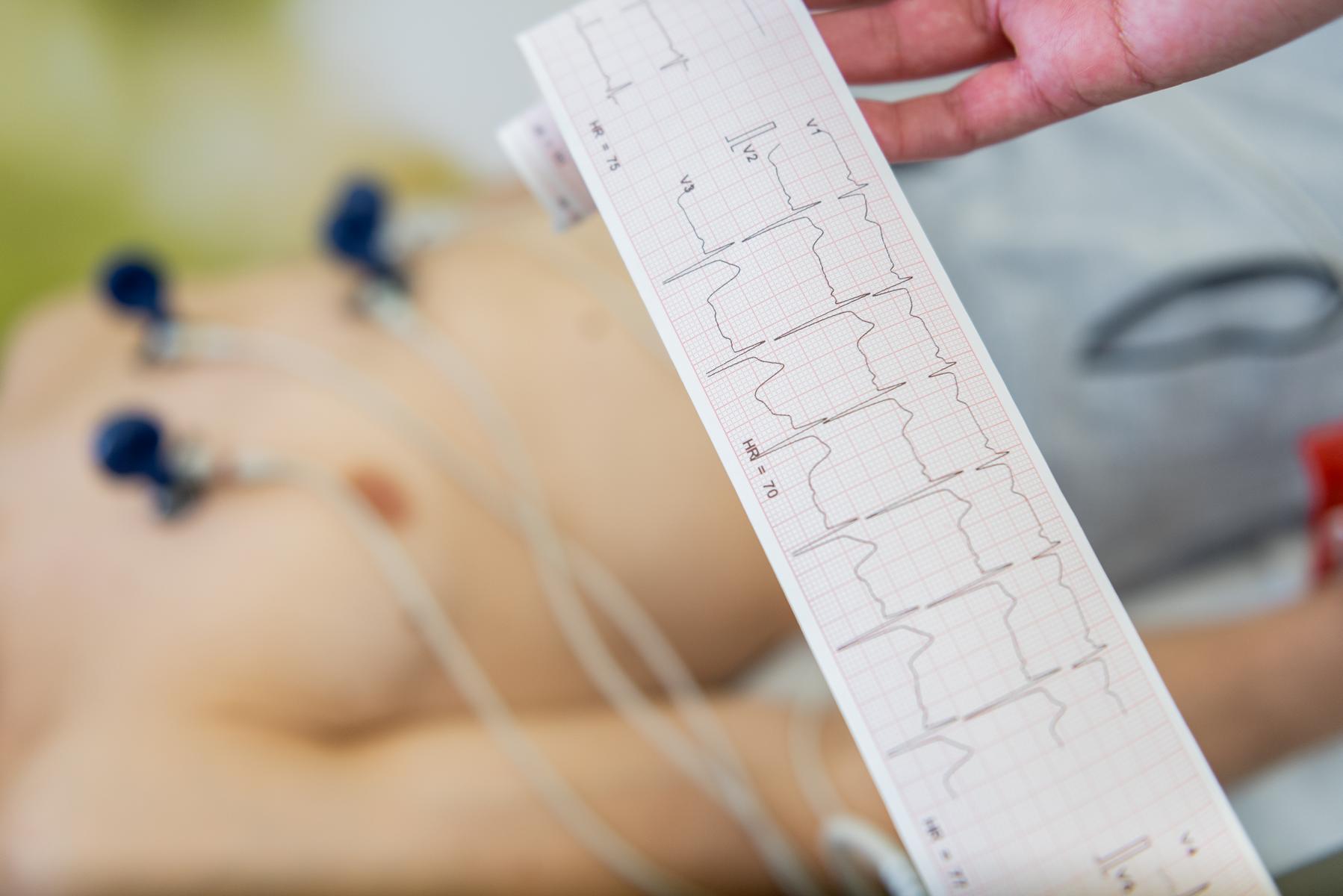
During your first consultation, your healthcare team will take a detailed medical history and confirm the diagnosis of atrial fibrillation (AF). They will also evaluate any risk factors that may contribute to your AF, increase your likelihood of developing blood clots, or influence your treatment plan.
The tests carried out will depend on the individual, but they usually include:
More advanced heart imaging in selected patients where needed
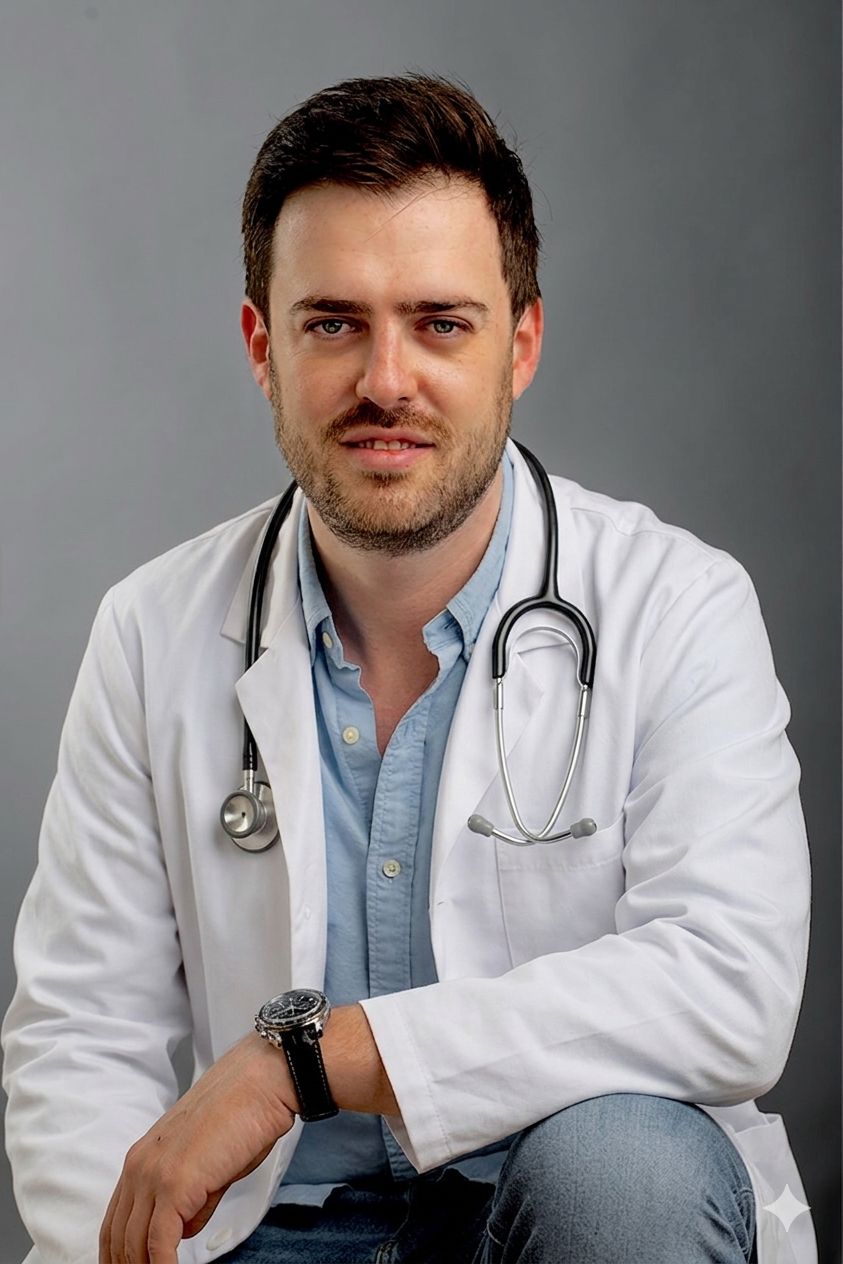
Dr. Kobi Faierstein is a specialist in Internal Medicine and a Fellow in Cardiology at Sheba Medical Center.


These refer to elements of your lifestyle and medical background that can be modified to improve how well treatments work. Addressing these factors can also reduce the likelihood of AF recurring, lower the risk of heart attacks and strokes, and enhance overall health and well-being. Helpful measures include:
Lowering blood pressure
People with AF should aim for strict blood pressure control, generally targeting levels below 130/80 mmHg. This goal is often not achieved, which contributes to the high rates of stroke, heart attack, heart failure, and dementia seen in AF patients. If blood pressure remains elevated, your healthcare team may need to start or adjust medications.
Exercise
Many individuals with AF do not engage in enough physical activity, sometimes due to concerns that exercise might worsen their condition. However, regular exercise is beneficial for most people with AF. It is recommended to gradually increase activity levels and work with your healthcare team to determine suitable exercises and develop a personalised plan.
Weight loss
If you are overweight, joining a structured weight loss programme can be helpful. A target of losing around 10% of your body weight is recommended, and your healthcare professional can provide guidance and support.
Reducing alcohol intake
Even small amounts of alcohol can raise the risk of AF recurring. It is advisable to limit alcohol consumption to no more than three standard drinks per week. Binge drinking significantly increases the risk of AF and should be avoided.
Managing diabetes
Maintaining good control of blood sugar levels is important for managing AF. Following a low-sugar diet can help, particularly for those with diabetes or pre-diabetes. Many patients require medication to control blood glucose, and monitoring tools such as finger-prick tests or newer devices can assist in keeping levels stable.
Your risk of blood clots
Blood clots can develop within the chambers of the heart, break loose, and travel through the bloodstream, where they may block blood flow. Atrial fibrillation (AF) is a major contributor to the formation of blood clots both in the heart and elsewhere in the body. One of the most well-known complications occurs when a clot travels to the brain and causes a stroke. AF is responsible for around one in five strokes and can also lead to gradual brain damage over time, increasing the risk of dementia.
Recognising a stroke can sometimes be challenging, particularly when symptoms are mild or subtle. Your individual risk of stroke depends on how many risk factors you have. A healthcare professional will assess these factors to determine whether you should be treated with blood-thinning medications (anticoagulants). If anticoagulants are not prescribed, your risk should be reviewed regularly to determine if treatment is needed in the future.
Age
Age is a key factor in the risk of developing blood clots in AF. While age categories are used to guide treatment decisions, the general rule is that risk increases as you get older. Blood thinners are typically recommended for people aged 65 or older if they have additional risk factors, and for anyone aged 75 or above.
Previous stroke or related events
Your risk of stroke is significantly higher if you have previously experienced a stroke, a transient ischaemic attack (TIA), a temporary episode with stroke-like symptoms—or a blood clot in other organs or blood vessels.
High blood pressure
High blood pressure puts strain on the heart and blood vessels, making clot formation more likely. This risk is greater if your blood pressure is 140 mmHg or higher for the systolic (top) reading, or 90 mmHg or higher for the diastolic (bottom) reading.
Heart failure
If you have heart failure, your heart may not pump blood effectively, reducing the delivery of oxygen and nutrients throughout the body. Poor heart function can cause blood to pool, which increases the likelihood of clot formation.
Diabetes
Elevated blood sugar levels in diabetes can damage the inner lining of blood vessels, making them less flexible and more prone to blockage. Diabetes remains a risk factor even when it is being treated with medication.
Disease of the blood vessels
Conditions that affect the blood vessels, such as narrowing, blockage, or damage, can disrupt normal blood flow and increase the risk of clots. This includes vessels supplying the heart, brain, kidneys, legs, and other parts of the body.
Blood thinners (anticoagulants)
Blood thinners, also known as anticoagulants, are medicines used to reduce the blood’s ability to form clots. They are very effective at preventing strokes in people with atrial fibrillation (AF) and are recommended for all patients who have risk factors for developing blood clots.
Restoring normal heart rhythm
These treatment options should be considered for all appropriate patients, and your healthcare professional will discuss which approach is most suitable for you as part of a shared decision-making process. The goal of treatment is to restore a normal (sinus) heart rhythm and maintain it over the long term.
Several treatment strategies are available, including:
The following sections provide more detailed information about each of these approaches.
Cardioversion
If you are suddenly very unwell, an electrical treatment may be required, as it is both rapid and safe. This involves delivering an electrical shock to the heart through the chest wall. The procedure is usually carried out with sedative medications to make you feel drowsy, and recovery is typically quick.
If your condition is more stable, the decision between an electrical approach and medication will be discussed with you. This choice will take into account various factors specific to your individual situation as well as the practices at your local healthcare centre.
Successful or not
Atrial fibrillation (AF) can recur even after efforts to control it, and some episodes may occur without any noticeable symptoms. In addition, changes in the heart can increase the risk of blood clots independently of AF itself.
For these reasons, it is important to continue taking blood-thinning medication over the long term if you have risk factors for stroke. This remains necessary even if treatment has been successful and your heart rhythm has returned to normal.
Catheter ablation
This procedure involves using fine instruments that are guided through blood vessels into the heart to disrupt the electrical pathways responsible for atrial fibrillation (AF). Some hospitals perform the procedure under general anaesthesia, while others use sedation, so the length of your hospital stay may vary. There are potential risks and complications associated with the procedure, and your cardiologist will discuss these with you.
The likelihood of success depends on several factors. In general, catheter ablation is more effective in patients with recent-onset or intermittent AF, and these patients may be offered the procedure as a first-line treatment for rhythm control. For others, catheter ablation is usually recommended if medications to control AF have either stopped being effective or have caused unwanted side effects.

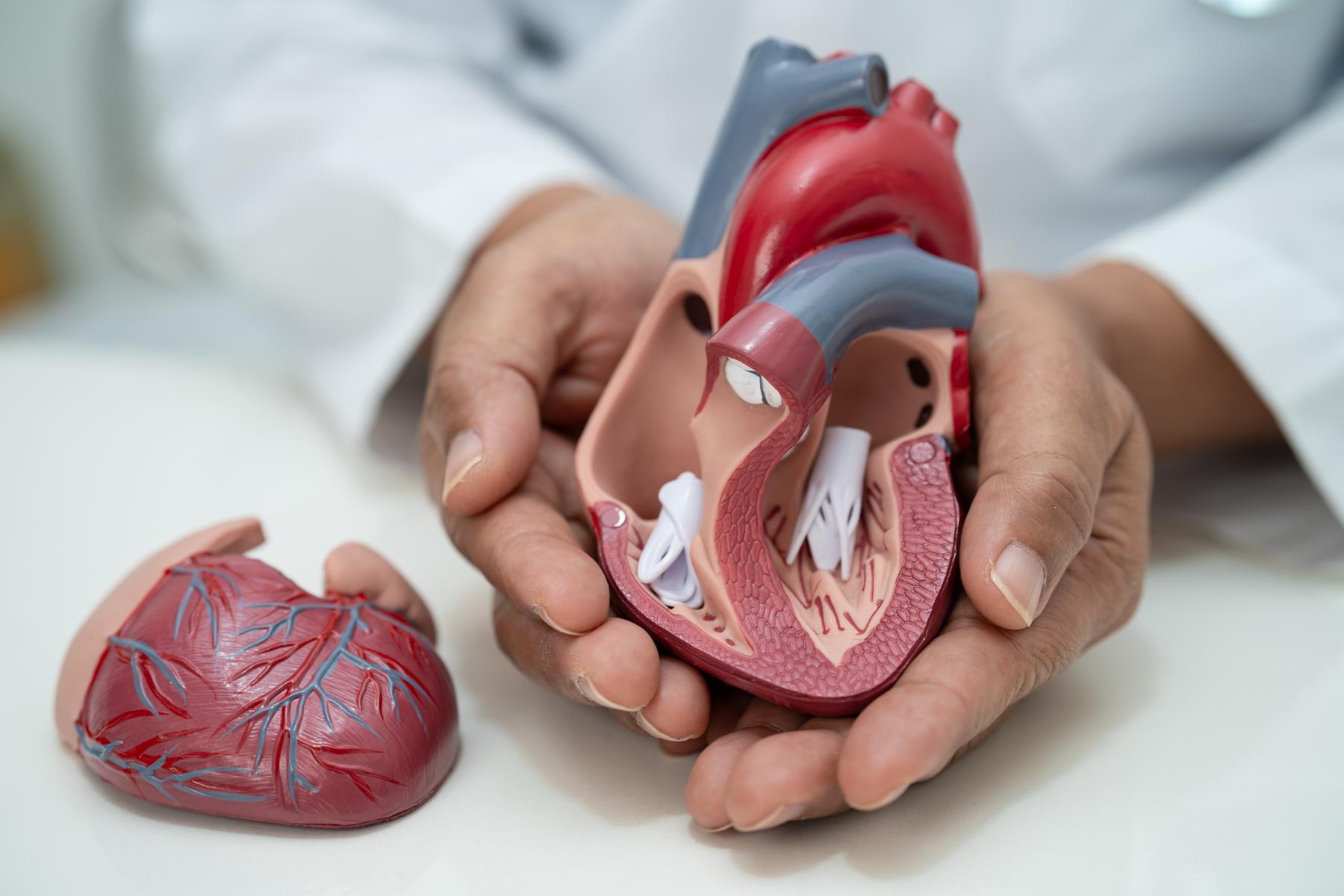
A condition in which the heart has difficult pumping blood efficiently. With proper medical follow-up and treatment, heart function can be improved and patients can continue maintaining an active daily routine.
Diseases that affect the heart valves, which are responsible for maintaining normal blood flow within the heart. In many cases, these conditions can be successfully diagnosed and treated with the help of advanced medical care.
Physical activity is important for heart health at every age. This field helps tailor safe and appropriate exercise for each individual — from athletes to beginners.
A relatively new medical field focused on protecting heart health during cancer treatment. Its goal is to enable optimal oncologic care while helping protect the heart.